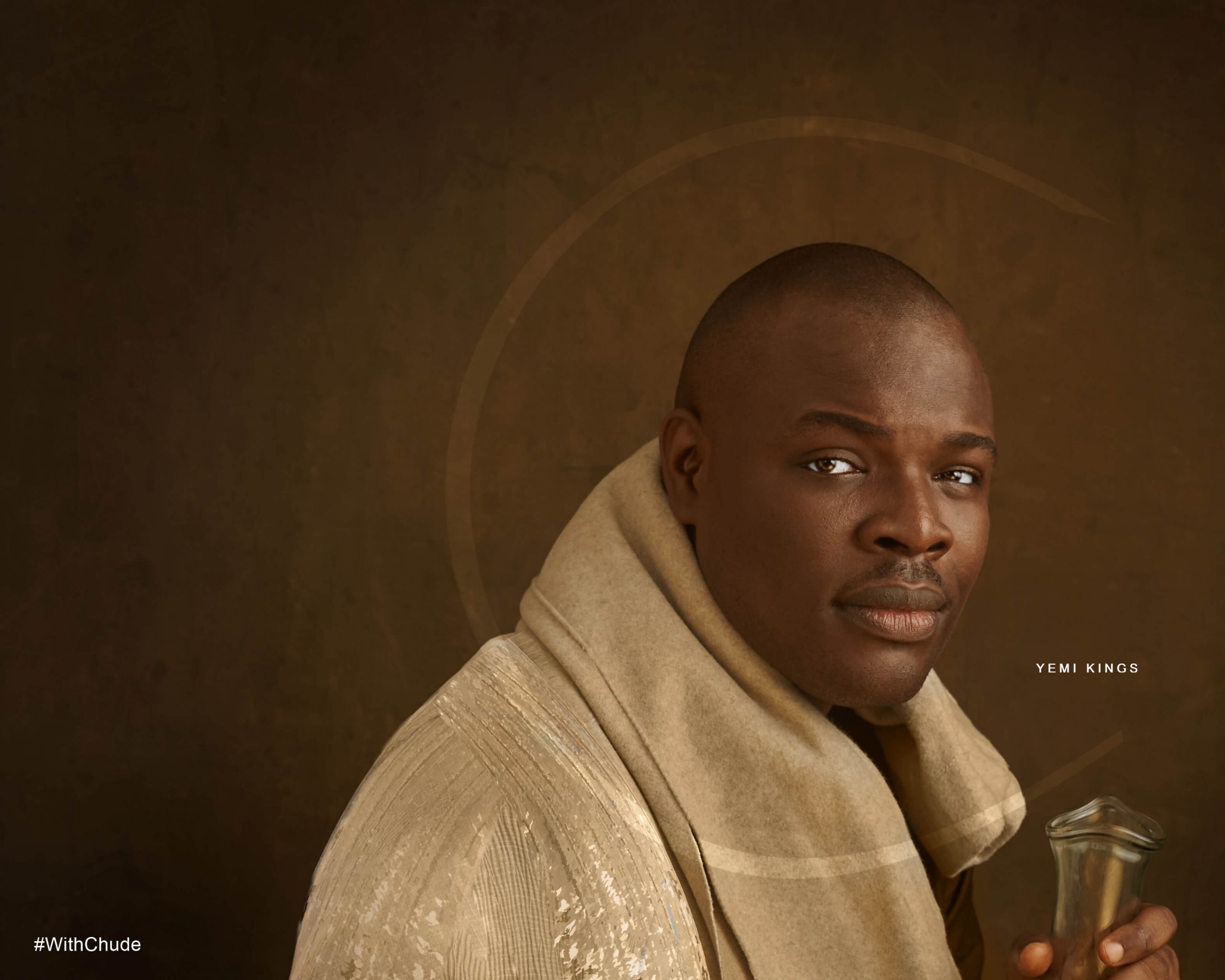

Award-winning filmmaker, media entrepreneur, and host of the acclaimed talk show #WithChude, Chude Jideonwo has named Senator Natasha Akpoti as his Culture Icon for 2025, the individual who, in his view, most clearly embodied the Nigerian spirit this year.
For Chude, a Culture Icon is not chosen by popularity, approval ratings, or consensus. It is the person who best explains a people in a particular moment. “If you look at that person,” he says, “you can understand a lot of Nigerians just by watching how they show up, how they fight, how they exist in the world.” What defines his selections, year after year, is courage, the kind that stands where others retreat, challenges power without apology, and does what has not been done before, or does it in a way that forces a society to confront itself. In Natasha Akpoti, Chude saw that courage expressed in a deeply Nigerian form: bold, strategic, audacious, and unafraid of power.
Each year, Chude Jideonwo’s Culture Icon reflects this philosophy. Past honourees have included figures as different as Naira Marley, Rema, and investigative journalist Fisayo Soyombo, a mix of global stars and relentless truth-teller, united not by similarity, but by their ability to capture something essential about Nigeria at a particular time. For 2025, Chude describes his choice as “beyond doubt.” Watching Akpoti navigate public scrutiny, legal battles, political isolation, and gendered hostility, he saw a modern David standing firmly before Goliath. From appearing in court alongside her lawyers and allies, to taking her case to international platforms, to walking into spaces she was told she did not belong and demanding to be heard, her actions reflected a refusal to be erased.
One moment, in particular, crystallised this for him. When she was allegedly blocked from returning to her constituency for a large homecoming, Akpoti did not retreat, she arrived by helicopter. “That,” Chude noted, “is someone who understands power, and understands how power works in Nigeria.” Even as she faced isolation, including the reality that no fellow female senator publicly defended her, she chose to stand alone. Yet she never lost sight of those who mattered most: her constituents. While prevented from speaking for them in the Senate, she continued to return home, commission projects, and carry out interventions, signalling that national praise means little if you abandon the people who entrusted you with their voice. That ability to navigate multiple constituencies at once, global, national, and local, while under intense pressure is, for Chude, a defining Nigerian strength.
“For all of it,” he concludes, “for the courage, the audacity, the refusal to be silenced, and for the future she is forging, not just for herself, but for those watching her, Natasha Akpoti is my Culture Icon of the Year 2025.” In naming her, Chude is not settling legal questions or public debates. He is holding up a mirror to the Nigerian condition: the instinct to resist erasure, to stand your ground even when isolated, and to insist, against all odds, that you will not be shut down.
WATCH EXCERPT: https://www.instagram.com/p/DSuCDyujXlI/