

Skip to main content





Reading List - Media/ Film/ Culture

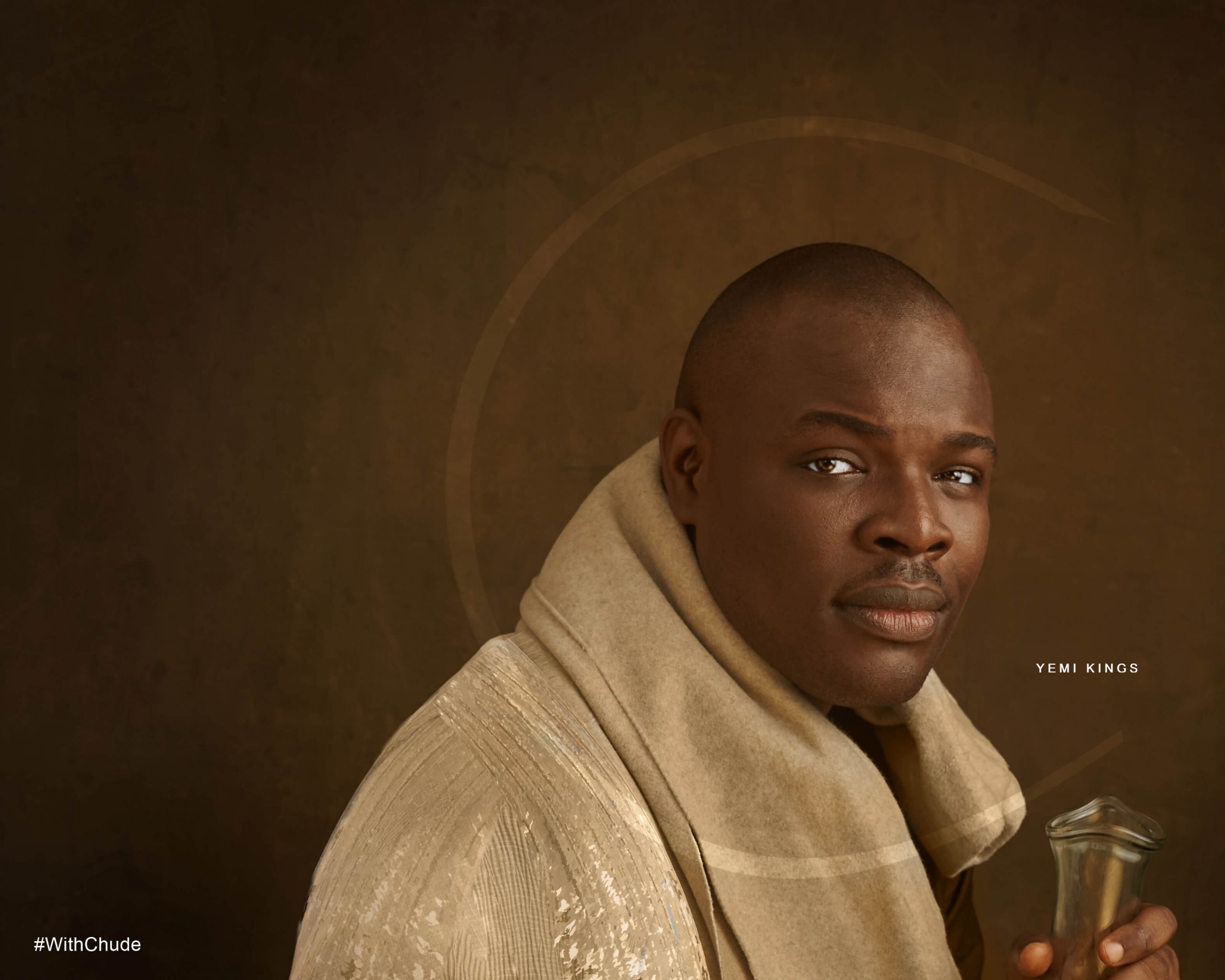
Tems’ ‘Born in the Wild’ is a Searing Spiritual for a Tortured Generation
The album’s greatest success, though, is in the way its metaphysical themes eclipse any particular religion. This is especially resonant with the way recent generations have come to engage with spirituality. So many of us are amateur astrologers, yogis and meditators, we channel our moral compases into activism and music. We’re the generations that social media tried to destroy, living in an era where mental health crises proliferate and long-lauded institutions crumble along with their facades of integrity. All this has pushed many of us into often untraditional psychological and spiritual practices – some of us are the first in our families to go to therapy, some of us do tarot. Tems has her God and skillfully manages to make that unique relationship ubiquitous.
Afrobeats To The World: Nigerian History Is Repeating Itself
Afrobeats to the world is hanging by a thread. Without the local numbers to back our claim, we are at risk of being exposed and abandoned when pop music inevitably shifts its focus to another emerging sound. It's another shiny thing. Look towards global music interaction with dancehall and the Caribbean creative class of the early 2000s for a lesson on capital flight, and how that can crush an entire industry.
Afrobeats To The World Gets Its Biggest Challenge
2023 gave Afrobeats to the world its most stark realization. We don’t mint enough stars for the capital we attract. We either solve for that or plateau. And you know what happens when a culture hits the stationary phase. To stand still is to fall behind.
Genre-Bending Nigerian Thriller ‘The Weekend’ Drops First-Look Clip Ahead of Tribeca Premiere (EXCLUSIVE)
When Oriahi was attached to “The Weekend,” after a previous director pulled out, he had less than a month of prep time until the cameras rolled. The film was shot in under three weeks.

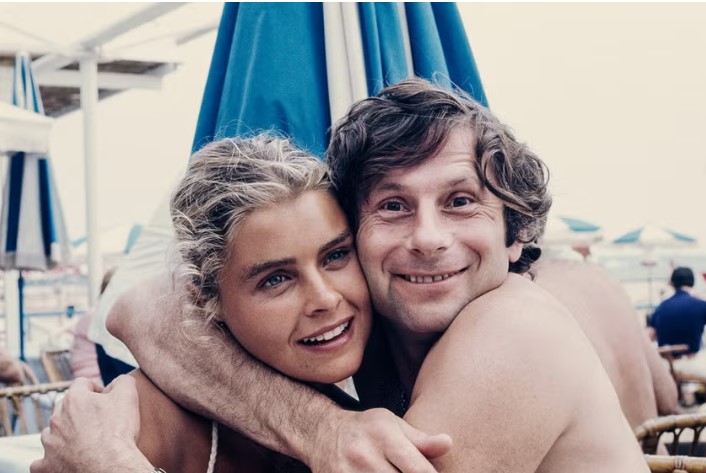
The Polanski Problem
The solution is not to smash your idols but to recognize that they are not idols at all. For Dederer, this insight came with the confessional rituals of the 12-step movement. The humility required to stand before the group and describe “what is worst about me, what is most monstrous,” and the realization that most human beings have a monstrous aspect, allowed her to see “the humanity of monsters.” This amounts to a more dramatic enactment of a pretty common experience: As children, we adore our parents, and growing up is a process of realizing how flawed they are—often with a period of extravagant adolescent rejection—before we come to understand that we love them despite those flaws, as we hope to be loved despite our own. The obdurate truth remains that some of the most beautiful and profound things humanity has created are the work of terrible people. We can decide, in a fury of righteousness, to cast those works aside. Or we can choose to view them as a kind of grace, the miraculous salvage from the inevitable wreck of our lives.
Hannah Gadsby’s Song of the Self
Gadsby, in her work, espouses a kind of puritan-minded radicalism in which someone else is always to blame for how messed up she feels. But isn’t that messed-up feeling life? And what about other lives? What about the millions who have it worse, who are fighting to survive? On Gadsby’s stage, solipsism masquerades as art.